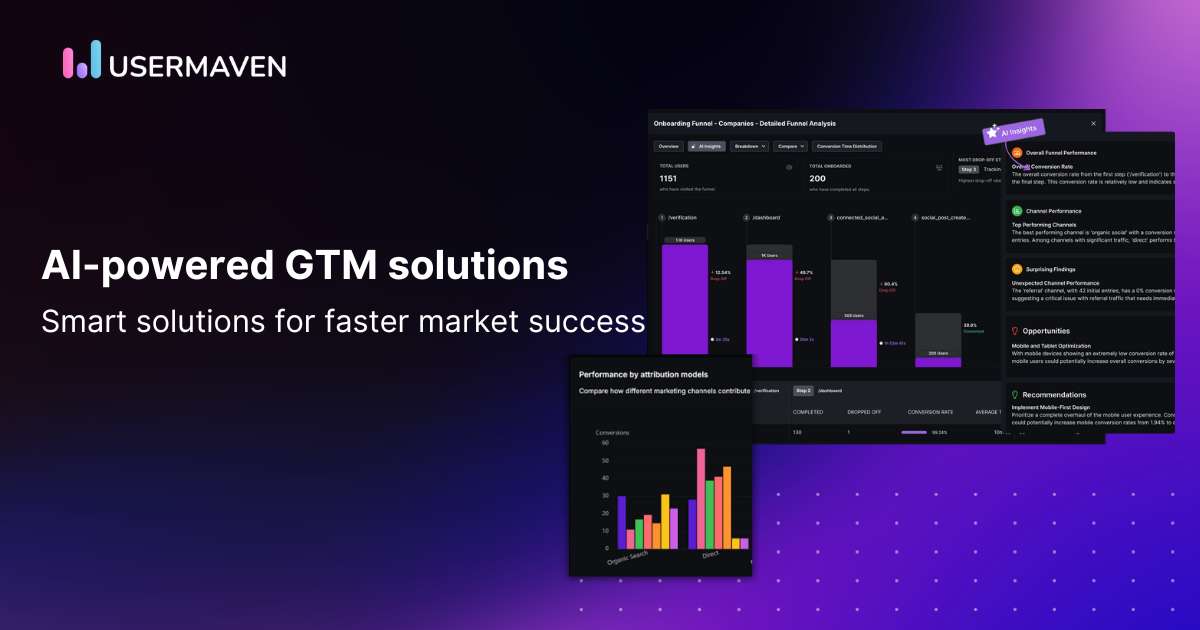
If your go-to-market strategy isn’t powered by AI, you’re already behind.
Traditional GTM playbooks depend on guesswork, fragmented data, and slow manual execution. But the market moves faster than ever. Buyers do independent research, churn rates rise quietly, and sales cycles stretch while your team scrambles to keep up.
That’s why the smartest companies are adopting AI-powered GTM solutions. These platforms help you unify your data, automate workflows, predict buyer intent, and unlock insights that human teams alone would miss.
The question now is which solutions can actually deliver on that promise.
That’s exactly what we’ll look at in this blog: the best AI-powered GTM solutions of 2026. These platforms make it easier to cut through the noise, align your teams, and turn insights into real growth.
What are AI GTM Platforms?
AI-powered GTM solutions are platforms that combine AI and advanced data analysis to streamline how companies launch and scale their products and services. They act as the backbone of modern go-to-market strategies.
By connecting functions like market research, customer segmentation, campaign execution, and performance tracking, these systems replace silos with a unified approach.
Why your GTM strategy needs AI now?
A go-to-market strategy defines how you bring your product or service to market, align teams, and generate revenue. But modern GTM execution is tough, as data silos, long buying journeys, and rising competition create friction. Using the best AI for data analysis helps teams cut through this complexity by surfacing relevant insights.
That shift is one reason the AI-powered GTM strategy has become crucial in 2026. Buyers now expect personalization at every touchpoint, and sales cycles are more complex than ever. It’s no surprise that the marketing AI sector is projected to exceed $107.5 billion by 2028; companies everywhere are investing in smarter ways to win.
Here’s how AI makes GTM work better:
- Unifies data: AI GTM platforms pull customer signals from CRM, marketing, product, and support into one clear view.
- Predicts outcomes: With predictive analytics, teams can spot churn risks, forecast pipeline health and focus on high-value opportunities.
- Streamlines RevOps: AI for revenue operations automates reporting and surfaces anomalies, so operations teams spend less time cleaning data.
- Maps journeys: Customer journey analytics AI reveals which touchpoints drive conversions, helping you double down on what works.
- Improves visibility: AI-powered pipeline reporting gives leaders real-time insights into funnel health and bottlenecks.
- Boosts SaaS growth: For SaaS companies, AI GTM tools highlight adoption trends, upsell opportunities, and early churn signals.
AI is no longer a “nice-to-have” in GTM. It’s the foundation for aligning teams, personalizing journeys, and driving revenue growth in today’s B2B market.
Also read: Top AI agents for GTM strategies
13 best AI-powered GTM solutions
Here are the top AI GTM platforms making a real difference in 2026. Each one brings unique strengths across analytics, pipeline reporting, ABM, or automation.
1. Usermaven — AI GTM analytics & reporting for SaaS
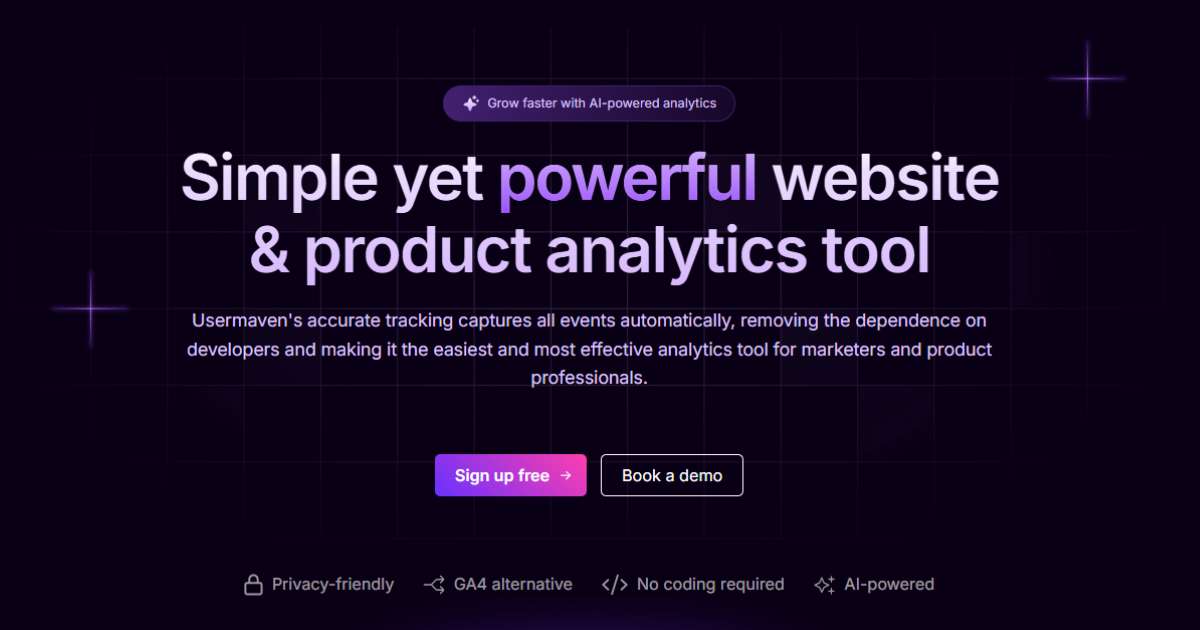
Usermaven is an AI-powered GTM analytics and marketing attribution platform built for modern businesses that need clarity across the customer journey. It serves SaaS companies, agencies, e-commerce brands, marketers, and growth teams by showing how prospects convert, how users adopt, and where revenue really comes from.
Unlike heavy BI tools, it’s simple to set up yet powerful enough to unify data across marketing, product and sales.
How it uses AI:
- Customer journey analytics AI to show which touchpoints lead to adoption and revenue.
- Predictive GTM analytics for churn risk, feature adoption and funnel conversion probabilities.
- AI-powered pipeline reporting that highlights anomalies in customer acquisition, activation, or retention stages.
Core features:
- No-code tracking of funnels and journeys
- Real-time anomaly detection and alerts
- Segmentation and cohort analysis powered by AI
- Multi-touch attribution for clear ROI insights
- Unified reporting across marketing, product and sales
Example use case:
A SaaS GTM team is struggling to understand why pipeline targets are slipping despite strong top-of-funnel activity. Using Usermaven’s attribution software, they discover that paid social campaigns drive plenty of signups but contribute very little to revenue, while organic search and partner referrals generate the highest-value accounts.
With the funnels, AI highlights a sharp drop-off at the “trial-to-paid” stage, signaling friction in onboarding. Acting on these insights, the team reallocates budget toward proven channels and refines the onboarding journey. The result: cleaner pipeline reporting, improved conversion rates, and a go-to-market strategy guided by AI-driven clarity rather than guesswork.
Why it stands out:
Usermaven goes beyond traditional website analytics by serving SaaS, agencies, marketers, e-commerce and product teams alike. It delivers unified GTM clarity without the heavy lift of BI platforms. With quick setup and AI-driven insights, leaders can make smarter decisions, move faster and scale growth with confidence.
[business_growth]
2. Gong — AI conversation intelligence for revenue teams
Gong is a conversation intelligence platform that captures and analyzes sales interactions (calls, emails, and meetings) to help GTM teams improve deal execution. By surfacing patterns in how buyers respond, Gong turns everyday conversations into actionable insights for closing more revenue.
How it uses AI:
- Identifies winning talk tracks and objection handling techniques
- Predicts deal success based on rep–prospect interactions
- Uses natural language processing (NLP) to analyze tone and sentiment
- Flags competitor mentions, buying signals, and risks in conversations
Core features:
- Deal health scorecards with AI overlays
- Coaching recommendations tailored for reps
- Pipeline forecasting tied to conversation insights
- Trend detection across thousands of customer interactions
Example use case:
A revenue operations team notices deals often stall after the second demo. Gong’s AI reveals that successful reps introduce ROI metrics early in the conversation. Armed with this data, leaders coach their teams to replicate that approach, leading to an 18% boost in win rates.
Why it stands out:
Gong connects AI-powered go-to-market strategy directly to frontline sales conversations. For GTM teams that rely heavily on human interactions, it transforms talk into data-driven revenue intelligence.
3. SalesIntel – Turning buying signals into a pipeline that converts
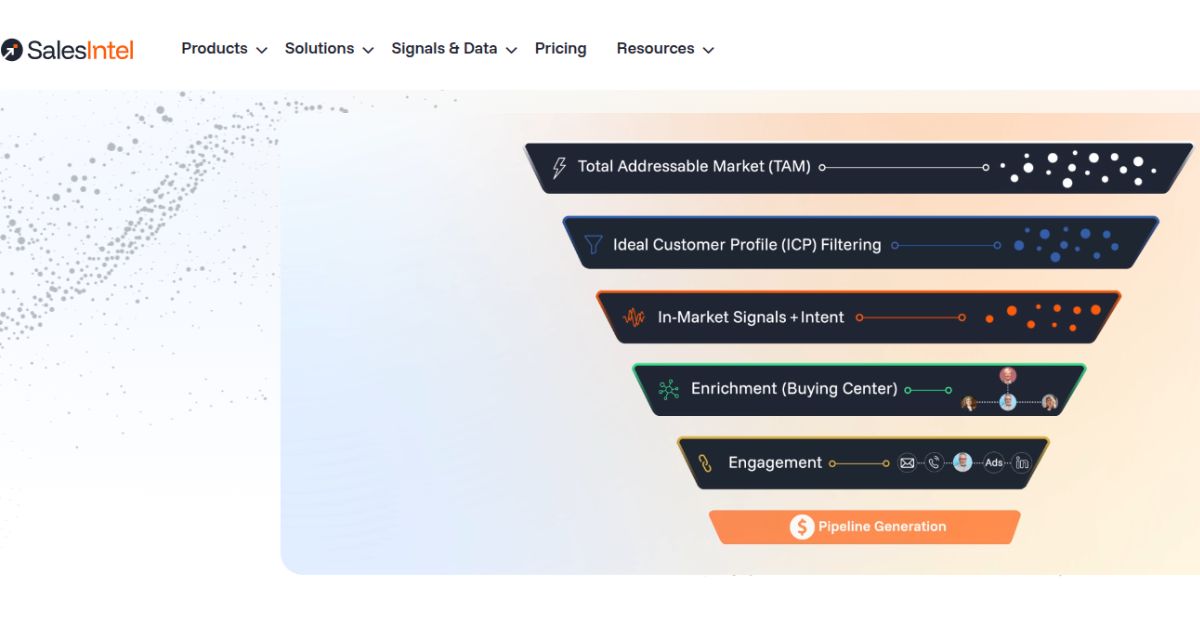
SalesIntel is a pipeline generation platform where AI AI agents that find, engage, and convert your best accounts. Identify accounts ready to buy, qualify opportunities against their ideal customer profile (ICP), and activate engagement across buying groups. By combining predictive buying signals, in-market intent data, and agentic workflows, SalesIntel transforms market intelligence into coordinated pipeline generation.
How it uses AI:
- Monitors thousands of buying signals across the entire buyer journey
- Uses AI-driven ICP modeling and account scoring to prioritize opportunities
- Identifies buying group members and key decision-makers within target accounts
- Automates signal-based engagement through agentic workflows and multi-channel orchestration
Core features:
- Signal360 for predictive and demand-capture buying signals
- AI-powered ICP modeling, look-alike account discovery, and scoring
- Buying group identification and contact intelligence
- GTMCanvas agentic workflow builder
- Multi-channel activation through ProspectConnect and AdsIntel
- Native CRM, marketing automation, and sales engagement integrations
Example use case:
A B2B software company wants to build pipeline before prospects enter formal vendor evaluations. SalesIntel detects funding announcements, leadership hires, and technology adoption signals that indicate emerging demand. The platform then qualifies accounts against the company’s ICP, identifies buying committee members, and automatically launches coordinated outreach campaigns. As accounts move from predictive signals to active research behavior, sales teams engage earlier, generate more qualified opportunities, and improve conversion rates.
Why it stands out:
SalesIntel combines signal intelligence, buying group identification, and agentic activation in a single platform. Rather than simply identifying intent, it helps revenue teams capture emerging opportunities, qualify the right accounts, and activate engagement at the precise moment buyers are most likely to convert, reducing technology sprawl while increasing pipeline efficiency and ROI.
4. Glean — AI work assistant for GTM knowledge and execution
Glean helps GTM teams instantly surface account context, campaign history, enablement content, meeting notes, and internal answers without digging across disconnected tools. Its AI assistant combines company-wide search with grounded, permissions-aware answers, making it easier for sales, marketing, and RevOps teams to move faster with the right context. For organizations trying to align execution across functions, Glean creates a more reliable way to access knowledge that typically gets buried in docs, chats, and tickets.
How it uses AI:
- Searches across 100+ integrated apps to deliver unified, contextual answers
- Surfaces personalized, permissions-aware results tailored to each user’s role and access
- Summarizes long threads and documents so teams get answers without reading everything
- Identifies the right internal expert or source for any query
Core features:
- Universal enterprise search across 100+ app connectors
- Permissions-aware AI answers grounded in company knowledge
- Thread and document summarization for fast context
- Internal expert and source discovery
- Native integration with sales, marketing, and RevOps workflows
Example use case:
A sales rep preparing for a high-stakes enterprise call needs to quickly pull together account history, recent campaign touchpoints, and relevant case studies, all scattered across Salesforce, Slack, Google Drive, and Confluence. Instead of spending 30 minutes hunting across tools, they ask Glean’s AI assistant and get a summarized, sourced answer in seconds. The rep walks into the meeting informed and aligned, without pulling in RevOps or enablement for support.
Why it stands out:
Glean goes beyond traditional search by delivering AI-powered answers grounded in your organization’s own knowledge, not generic web results. For GTM, RevOps, and enablement teams that lose time hunting for internal context, Glean turns scattered institutional knowledge into a reliable, always-on resource that keeps execution fast and aligned.
Best for: GTM, RevOps, enablement, and cross-functional teams that need trusted internal context to execute faster.
5. HubSpot AI — Inbound GTM with intelligence
HubSpot is a leading AI GTM platform that brings CRM, marketing automation, and AI-driven insights into one ecosystem. It helps growth-stage companies attract, engage, and convert leads without juggling multiple disconnected tools.
How it uses AI:
- Predictive lead scoring based on behavioral and firmographic data
- AI-powered chatbots for customer engagement and support
- Automated subject line and content optimization for emails
- SEO and content suggestions to improve inbound visibility
Core features:
- Unified CRM and marketing automation
- Generative AI for blog, email, and ad copy creation
- Automated lead prioritization and routing
- Revenue attribution and ROI reporting
Example use case:
A SaaS GTM team needs to prioritize leads more effectively. HubSpot’s predictive AI ranks prospects by likelihood to convert, enabling reps to focus on high-intent leads. This results in faster deal cycles and improved close rates.
Why it stands out:
HubSpot offers an all-in-one AI-powered GTM solution. It’s especially effective for small to mid-market SaaS companies seeking simplicity, scalability, and intelligence in one platform.
6. Forecastio
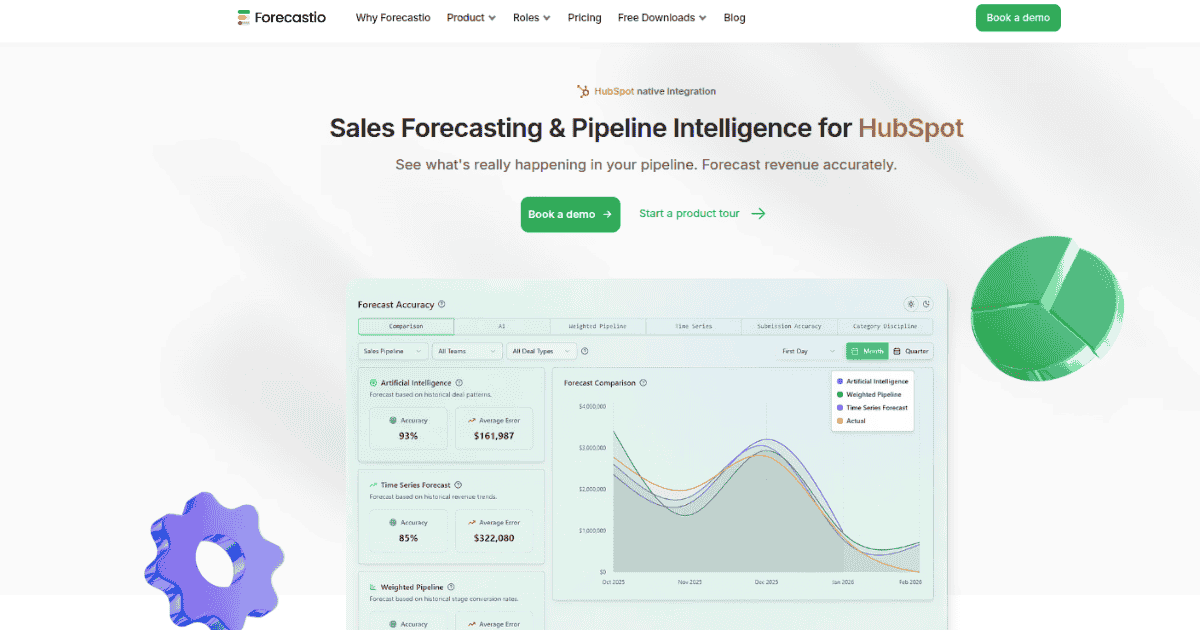
Forecastio is a sales forecasting, pipeline intelligence, and deal intelligence platform built for B2B sales teams. It helps sales leaders improve forecast accuracy, identify revenue risks early, and gain deeper visibility into pipeline performance.
How it uses AI:
- AI forecasting models that improve prediction accuracy across reps, teams, and segments
- Deal slippage detection that flags at-risk opportunities before they fall out of the pipeline
- Stage conversion analysis that surfaces where deals stall and why
- AI Agents that continuously monitor forecasts, pipeline health, CRM data quality, and deal risks
Core features:
- Advanced pipeline analysis with drill-down visibility
- Deal intelligence surfacing risk signals across the funnel
- Forecasting audit trails for accountability and historical accuracy tracking
- AI Agents delivering proactive recommendations to sales leaders
- Single workspace replacing scattered spreadsheets and static CRM reports
Example use case:
A B2B sales leader notices forecasts have been consistently off by 15 to 20 percent each quarter, making board reporting unreliable. Forecastio’s AI surfaces which reps and deal stages are driving the inaccuracy, flags a cluster of deals slipping past their close dates, and recommends adjustments based on historical conversion patterns. With this visibility, the team tightens its forecasting process and walks into the next board meeting with numbers leadership can actually trust.
Why it stands out:
Forecastio goes beyond standard CRM reporting by combining forecasting, pipeline intelligence, and deal intelligence in one place. For sales leaders who need early warning on revenue risk rather than after-the-fact reporting, its AI Agents provide a continuous, proactive layer of oversight that most CRMs lack.
7. 6sense — Predictive AI for account-based GTM
6sense is a predictive GTM analytics platform built for account-based strategies. It uses buyer intent data and AI models to uncover which accounts are ready to buy, even before they engage directly.
How it uses AI:
- Detects anonymous buyer research across digital channels
- Scores and prioritizes accounts by readiness to purchase
- Recommends the best timing and channel for outreach
- Predicts pipeline impact from ABM efforts
Core features:
- Account engagement dashboards with predictive scoring
- AI-driven sales alerts when accounts hit buying thresholds
- Funnel health and pipeline contribution analytics
- Deep integration with ABM campaigns and CRM
Example use case:
An ABM team wants to identify accounts showing early buying intent. 6sense uncovers a cluster of healthcare companies actively researching their category. Marketing launches a targeted campaign while sales initiates outreach, generating a healthy new pipeline.
Why it stands out:
6sense delivers predictive GTM analytics that fuel smarter account prioritization. For SaaS companies targeting enterprises, its intent data is a game-changer for ABM execution.
8. Demandbase — AI-driven account engagement
Demandbase is an AI GTM platform that powers account-based engagement, advertising and orchestration. It helps marketing and sales teams align on which accounts to pursue and how to engage them effectively.
How it uses AI:
- Predicts which accounts are most likely to convert
- Automates multi-channel engagement across ads, email and content
- Surfaces pipeline health insights in real time
Core features:
- AI-powered ad targeting and campaign orchestration
- Account prioritization and engagement scoring
- Sales intelligence tailored to account plays
- Funnel and pipeline analytics for ABM
Example use case:
A SaaS GTM team notices that Stage 2 opportunities are stalling. Demandbase’s AI automatically triggers retargeting ads and account-specific email sequences to re-engage prospects, moving deals forward and shortening sales cycles.
Why it stands out:
Demandbase excels at AI-powered pipeline reporting for account-based marketing. It unites sales and marketing execution into a cohesive GTM engine.
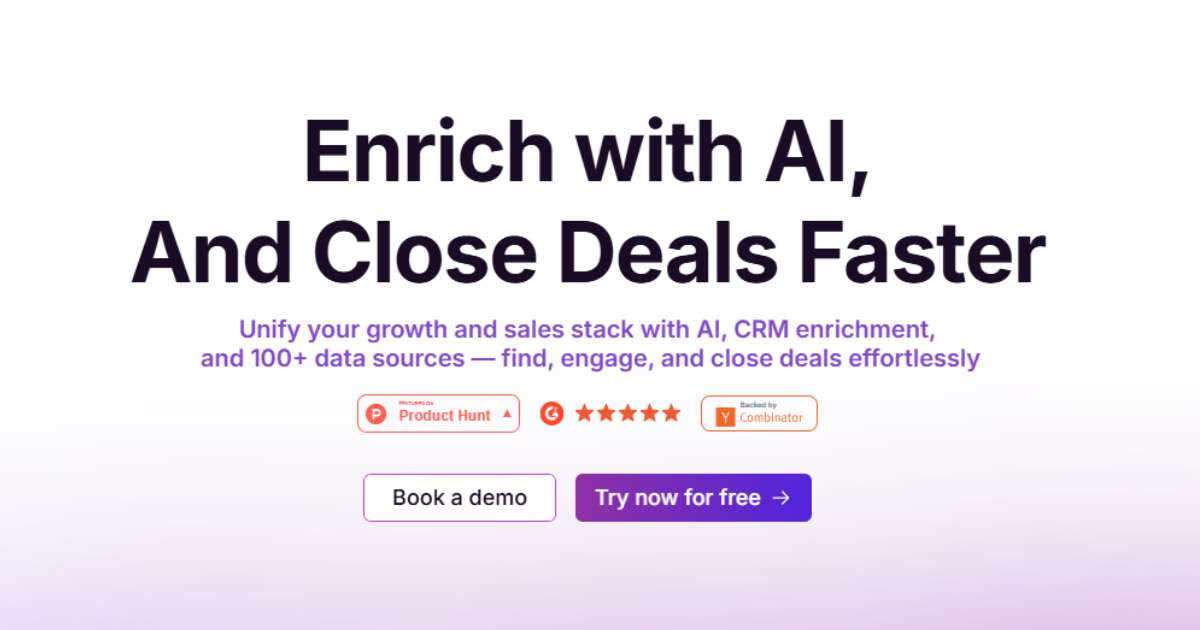
9. Persana AI — Autonomous AI sales agents
Persana is an AI GTM tool that automates outbound prospecting with autonomous agents. Think of it as a digital SDR team that works around the clock to qualify leads and book meetings.
How it uses AI:
- Autonomous agents that research, qualify, and engage prospects
- AI-driven personalization for emails and follow-ups
- Behavior-based sequencing for multi-touch outreach
Core features:
- Automated lead enrichment and data research
- Multi-touch campaign orchestration across channels
- Meeting scheduling and seamless CRM integration
Example use case:
A SaaS SDR team is overwhelmed by prospecting. Persana’s AI agents take over, qualifying leads, sending personalized outreach, and booking demos directly on the sales calendar. Human reps step in only when deals are warmed up and ready to convert.
Why it stands out:
Persana showcases the future of AI-powered GTM execution, scaling outbound prospecting without scaling headcount.
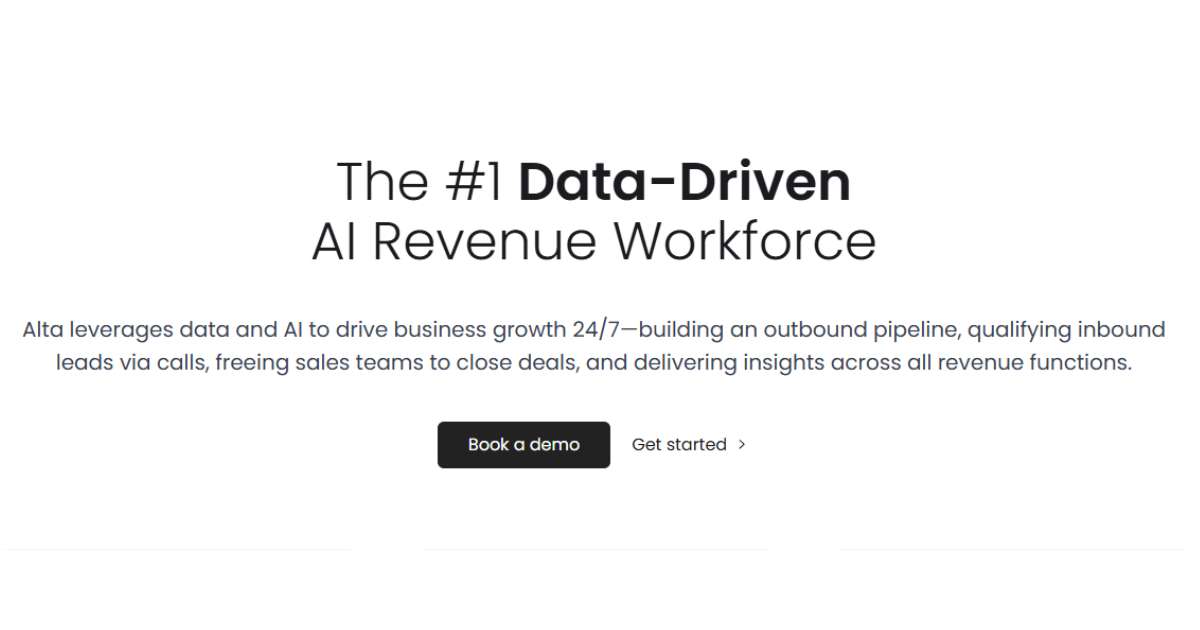
10. Alta — AI-powered revenue workforce
Alta provides a virtual AI workforce for revenue operations. Its suite of intelligent agents handles inbound, outbound, and reporting tasks, giving GTM and RevOps teams greater efficiency.
How it uses AI:
- Alex (inbound agent) qualifies and routes new leads
- Luna (RevOps assistant) generates insights and reports
- Automated monitoring of pipeline health and performance
Core features:
- AI-driven reporting dashboards for RevOps
- Automated outbound engagement workflows
- Funnel optimization alerts with proactive recommendations
Example use case:
An operations team spends countless hours preparing pipeline reports. Alta’s Luna automates reporting, spots conversion bottlenecks, and recommends fixes. The team saves dozens of hours each month and reallocates time to strategy.
Why it stands out:
Alta combines customer journey analytics AI with AI for revenue operations, giving GTM leaders both strategic insights and executional support.
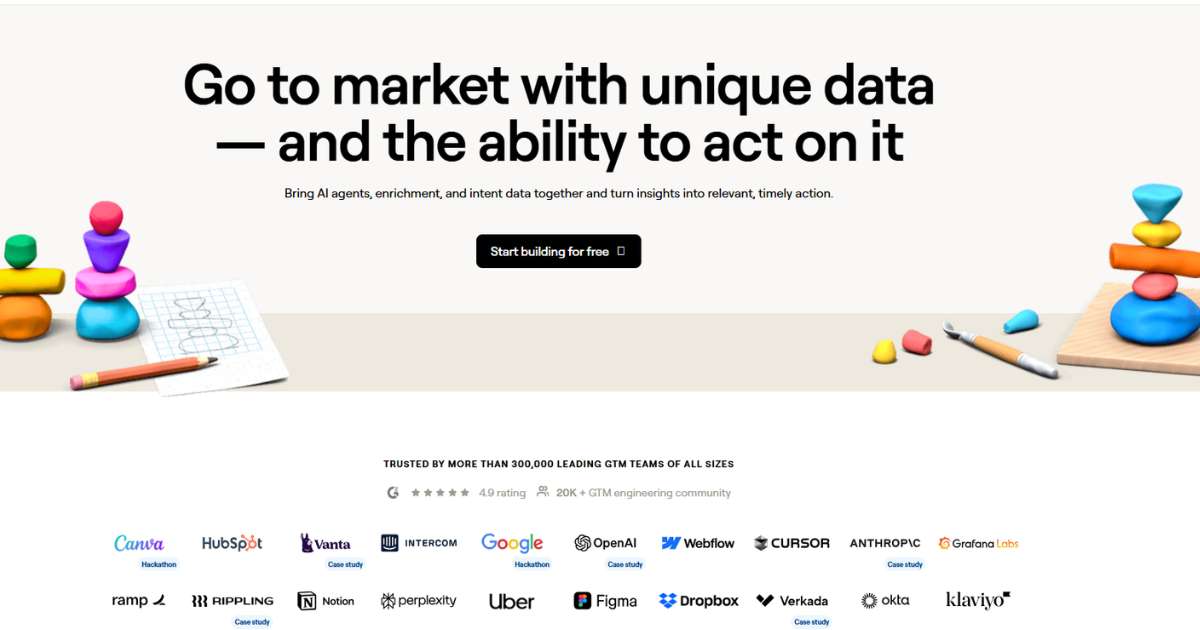
11. Clay — AI personalization at scale
Clay is an AI GTM platform built for hyper-personalized B2B outreach. It enables GTM teams to create campaigns that feel one-to-one at scale.
How it uses AI:
- Auto-generates personalized email copy using firmographic and behavioral data
- Optimizes sending times, subject lines, and messaging sequences
- Continuously refines outreach based on engagement results
Core features:
- Data enrichment and personalization at scale
- AI-powered email generation and sequencing
- Engagement analytics with performance optimization
Example use case:
A growth team wants to reach 500 SaaS CFOs with tailored outreach. Clay pulls data signals like recent funding or hiring surges, generates personalized emails for each contact, and tests subject lines until the best performers emerge.
Why it stands out:
Clay makes outbound campaigns feel human at scale, cutting through inbox noise in crowded B2B markets.
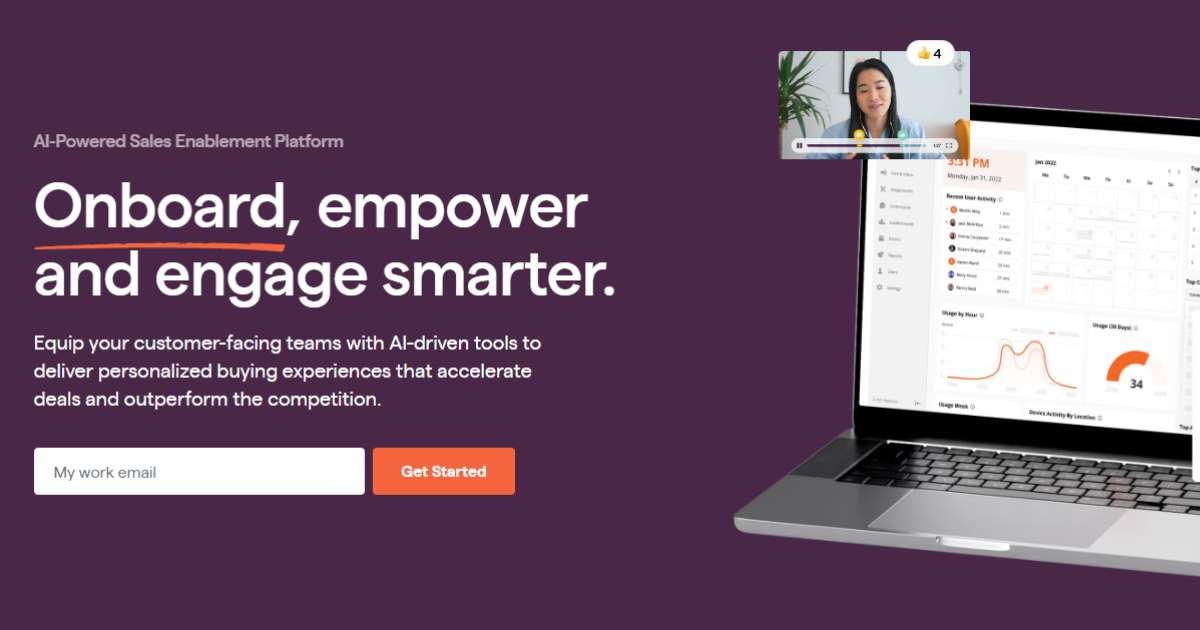
12. Bigtincan — AI for sales enablement
Bigtincan is a sales enablement platform powered by AI to prepare reps for GTM success. It combines training, coaching and content optimization to make sales teams more effective.
How it uses AI:
- AI coaching simulations that prepare reps for real conversations
- Content recommendations tailored to specific deals
- Automated draft generation for proposals and follow-ups
Core features:
- AI-powered training and role-play modules
- Smart content suggestions based on deal context
- Analytics on collateral usage and impact
Example use case:
A new rep is preparing for a meeting with a Fortune 500 prospect. Bigtincan’s AI recommends the most relevant case study and auto-generates a draft follow-up email. The rep comes across as confident and well-prepared, improving their chances of success.
Why it stands out:
For scaling sales organizations, Bigtincan accelerates AI-powered GTM strategy by turning every rep into a top performer.
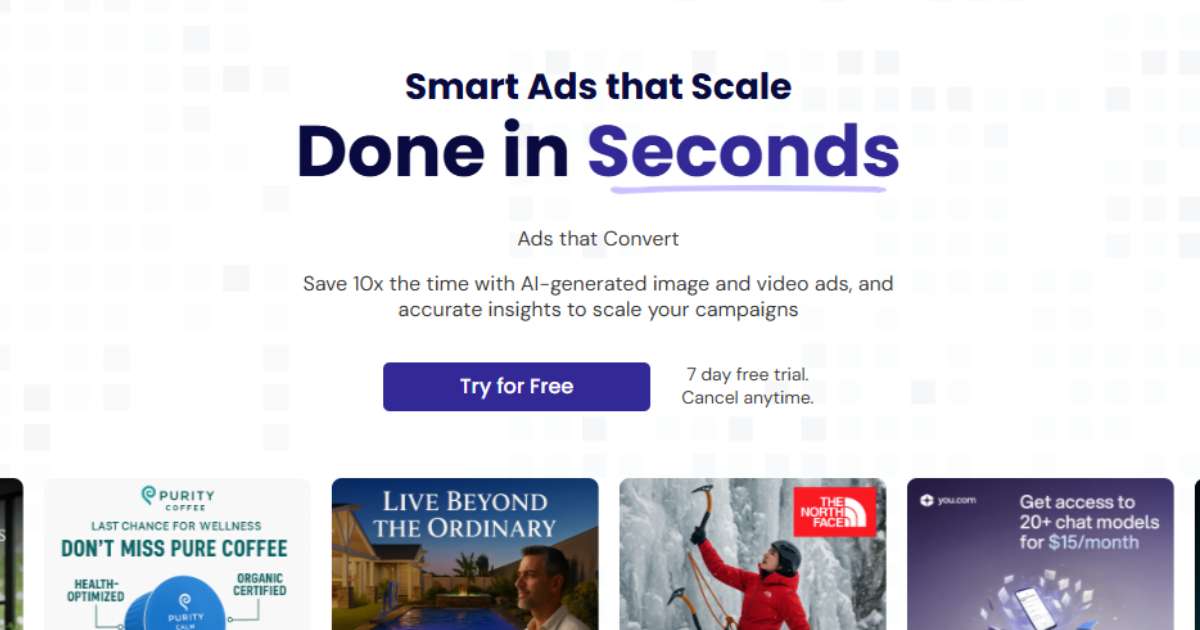
13. Omneky — AI creative engine for GTM campaigns
Omneky focuses on the creative layer of GTM by using AI to generate and optimize ad campaigns across digital channels.
How it uses AI:
- Produces ad creatives including copy, images and videos
- Automatically tests variations across multiple platforms
- Optimizes performance in real time based on engagement data
Core features:
- Multi-channel campaign generation at scale
- AI-driven ad copy and creative design
- Continuous performance feedback loops
Example use case:
A SaaS GTM team wants to tailor ads for different buyer personas. Omneky’s AI generates dozens of creative variations, launches them across LinkedIn and Facebook, and scales the top-performing assets without manual oversight.
Why it stands out:
Omneky gives GTM teams speed and volume in creative production, ensuring campaigns stay fresh, relevant, and optimized.
14. Pebbles Ai – The autonomous GTM workforce
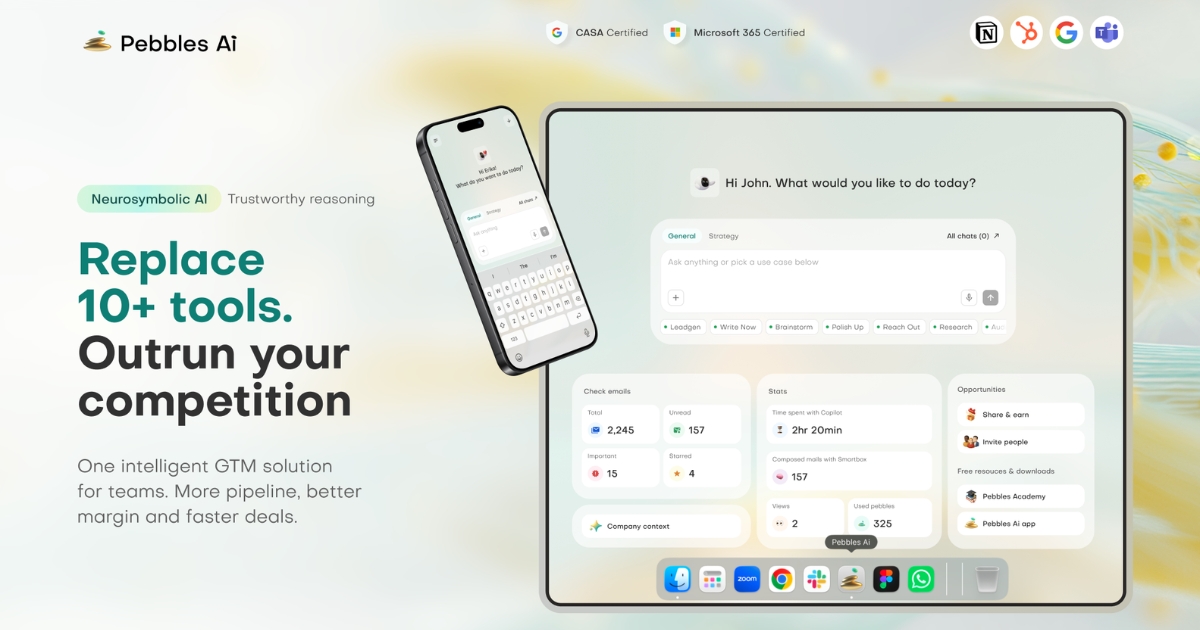
Pebbles Ai provides the world’s only autonomous GTM workforce that can handle both the strategic thinking and execution of your marketing engine.
While traditional software requires you to manually piece together data tools, scrapers, and chatbots, Pebbles Ai combines neural learning with symbolic logic to replicate expert business know-how across seven interconnected applications that collaborate fully as a unified team.
How it uses AI:
- Delivers positioning accuracy that standard chatbots cannot achieve
- Engineers complete market-entry strategies before launching outreach
- Learns your precise professional tone so every output feels human-written
Core features:
- Unified 7-app ecosystem spanning marketing, sales, and strategy
- End-to-end pipeline ownership from prospecting to content execution
- Behavioral persuasion engineering built into every message and asset
Example use case:
A lean firm entering a competitive vertical lacks a sales hire. They deploy Pebbles Ai, which maps the market, qualifies high-value targets, and launches coordinated campaigns – replacing 10+ tools and securing high-intent meetings within weeks.
Why it stands out:
Pebbles Ai handles the thinking before the doing, giving lean teams the operational depth of an entire GTM department while building professional trust instead of automated spam.
To help you compare these platforms at a glance, here’s a quick breakdown of the top AI-powered GTM solutions and their key strengths.
| Solution | Best for | Key AI feature |
| Usermaven | GTM analytics & reporting | Attribution + predictive funnels |
| Gong | Sales conversations | NLP + deal-health prediction |
| SalesIntel | Pipeline generation & buying groups | Buying signals + agentic ICP activation |
| Glean | GTM knowledge & execution | Permissions-aware enterprise search + summarization |
| HubSpot AI | Inbound marketing & CRM | Predictive lead scoring, AI chat |
| Forecastio | Sales forecasting & pipeline intelligence | AI forecasting, advanced pipeline analysis, deal slippage detection, stage conversion analysis, |
| 6sense | ABM & intent | Intent detection & account scoring |
| Demandbase | Account engagement & ads | Propensity modeling |
| Persana AI | Outbound prospecting | Autonomous AI agents + sequencing |
| Alta | Revenue operations + AI agents | Inbound qualification & RevOps assistant |
| Clay | Personalized outreach | AI-generated messaging |
| Bigtincan | Sales enablement | AI coaching & content recs |
| Omneky | Ad creative optimization | AI creative generation + insights |
| Pebbles Ai | Autonomous GTM workforce | GTM strategy + execution across 7 connected AI apps |
How to Choose the Right AI GTM Solution
With so many options, how do you select the right one? Here are the key criteria:
- Use-case alignment: Do you need GTM analytics software (Usermaven), conversation AI (Gong), or ABM intent platforms (6sense, Demandbase)?
- Data integration: Make sure the platform connects effortlessly with your CRM, marketing automation system, and product analytics tools.
- AI explainability: Look for platforms that show why the AI made a recommendation.
- Pipeline visibility: Strong AI-powered pipeline reporting is critical for leadership visibility.
- Customer journey depth: If adoption and retention are priorities, customer journey analytics AI should be a must-have.
- Scalability: Choose AI GTM solutions that perform well at your current stage but can scale with growth.
- ROI speed: Look for case studies proving quick wins, not just theoretical benefits.
- SaaS fit: If you’re a SaaS company, prioritize platforms purpose-built for AI GTM solutions for SaaS companies.
To sum it up,
The GTM landscape is shifting fast. Manual reporting, generic campaigns and gut-based decisions no longer cut it. AI-powered GTM platforms give teams the predictive insights, automation and personalization needed to compete and grow.
From sales conversations and ABM to customer journey analytics, these tools shift companies from reacting to problems toward building proactive, data-driven strategies.
For teams that want clarity across acquisition, activation, and retention, Usermaven makes that shift possible. As a powerful website analytics tool, it goes beyond basic tracking to deliver AI-driven insights into funnels, attribution, and performance, turning raw data into growth opportunities.
Ready to take action? Book a demo with Usermaven now and see how the right AI-powered GTM solution can transform your strategy!
[insight_growth]