Tag: Website analytics
-
![Matomo pricing: Is it worth the investment? [& check out Usermaven]](https://staging-blog.usermaven.com/wp-content/uploads/2024/12/Matomo-pricing-1.jpg)
Matomo pricing: Is it worth the investment? [& check out Usermaven]
Choosing an analytics platform often starts with features, but pricing is usually what brings the decision into focus. The way a tool is packaged can shape how easy it feels to adopt, scale, and budget over time. Matomo is often part of that journey for teams exploring privacy-focused analytics. That makes Matomo pricing an important…
-
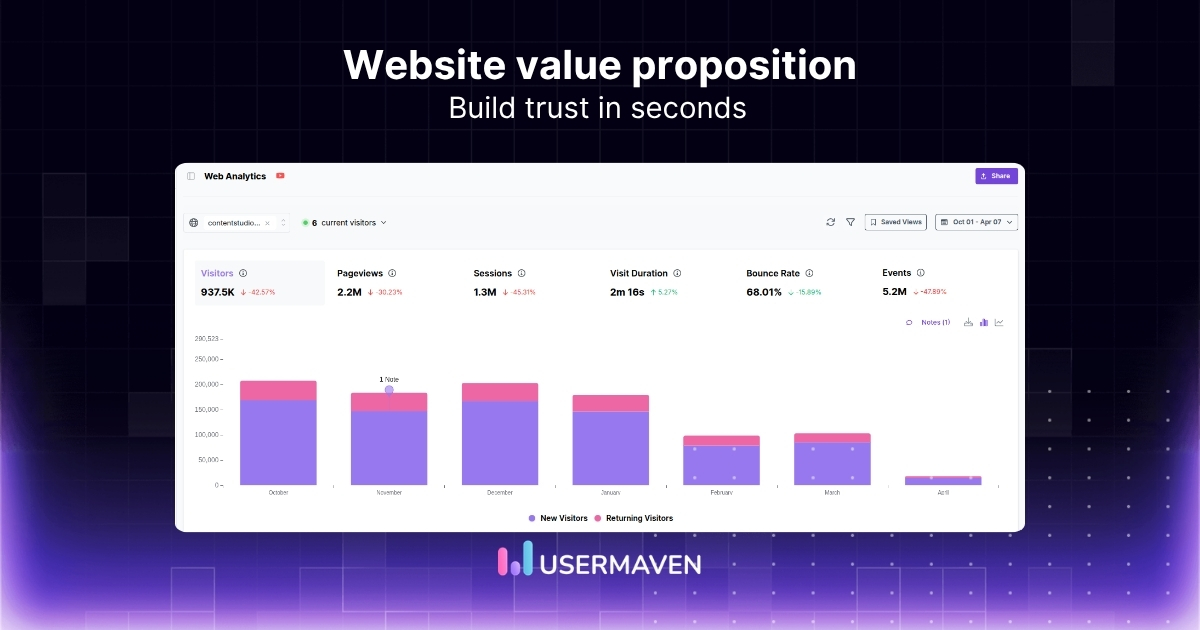
How to communicate your website value proposition (with examples)
You have 10 seconds.That’s all the time a visitor gives your website before deciding:“This is for me.”OR“Nope, not what I’m looking for.” And that decision almost always comes down to one thing: Your website value proposition. If your message is unclear, generic, or too complicated, people leave, even if your product is exactly what they…
-
![[2026 updated] How to understand and interpret user behavior](https://staging-blog.usermaven.com/wp-content/uploads/2023/07/User-behavior-.jpg)
[2026 updated] How to understand and interpret user behavior
People rarely move through a website or product in a straight line. They compare options, hesitate, leave, return, and make decisions in ways that are often hard to predict. That is what makes user behavior worth understanding. It reveals the patterns behind how people explore, evaluate, and respond across different stages of the journey. In…
-
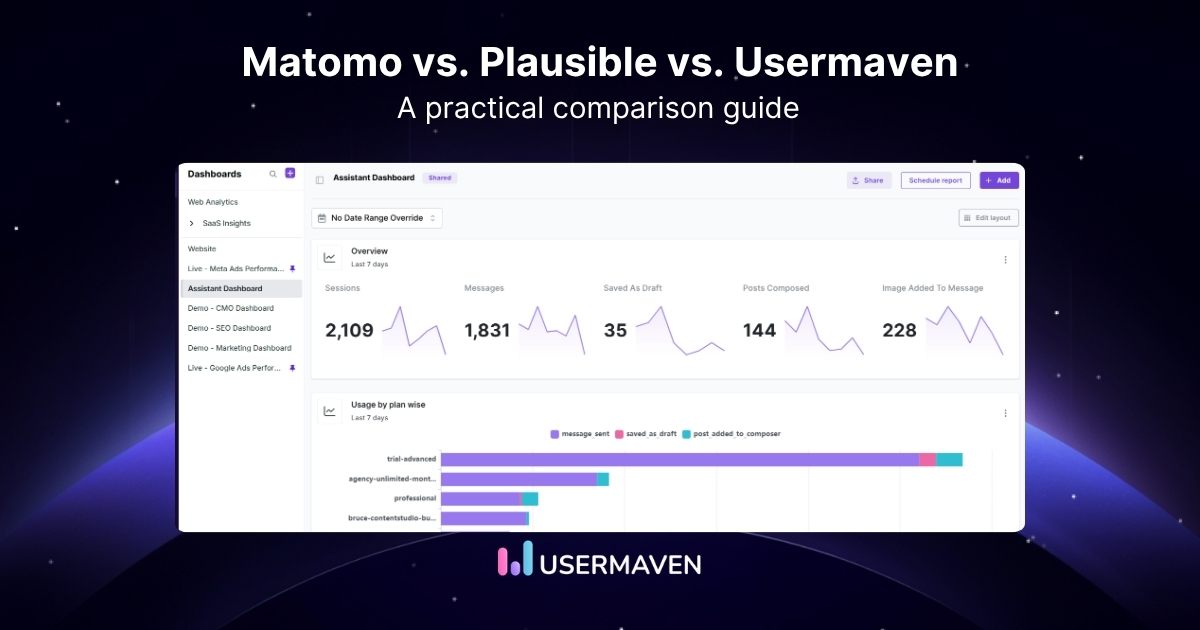
Matomo vs. Plausible vs. Usermaven: Features & differences
Choosing an analytics platform should be straightforward. In reality, it rarely is. Matomo, Plausible, and Usermaven are often compared side by side, but they are built with different priorities in mind. That means the best fit depends on what you actually need from your analytics. For some teams, the priority is privacy and simplicity. For…
-
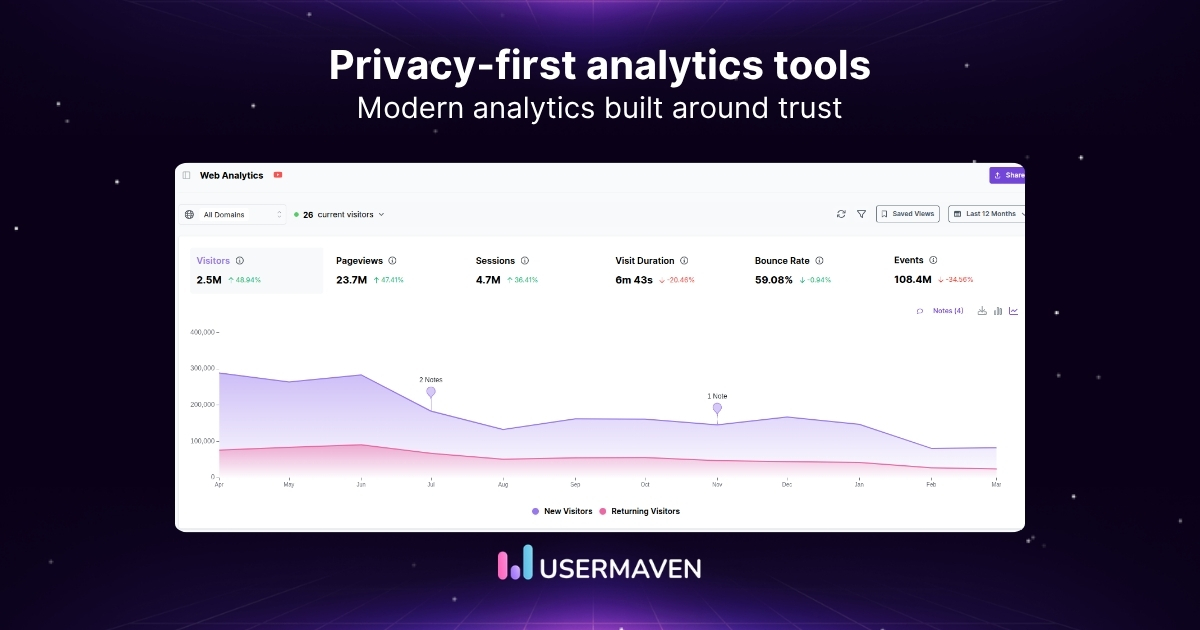
10 privacy-first analytics tools worth exploring in 2026
Analytics should be useful, not excessive. More tracking does not always lead to better insight. In many cases, it just creates more noise, more risk, and more questions. That is why privacy-first analytics tools are getting more attention. They offer a more balanced way to measure website performance and understand user behavior without relying on…
-
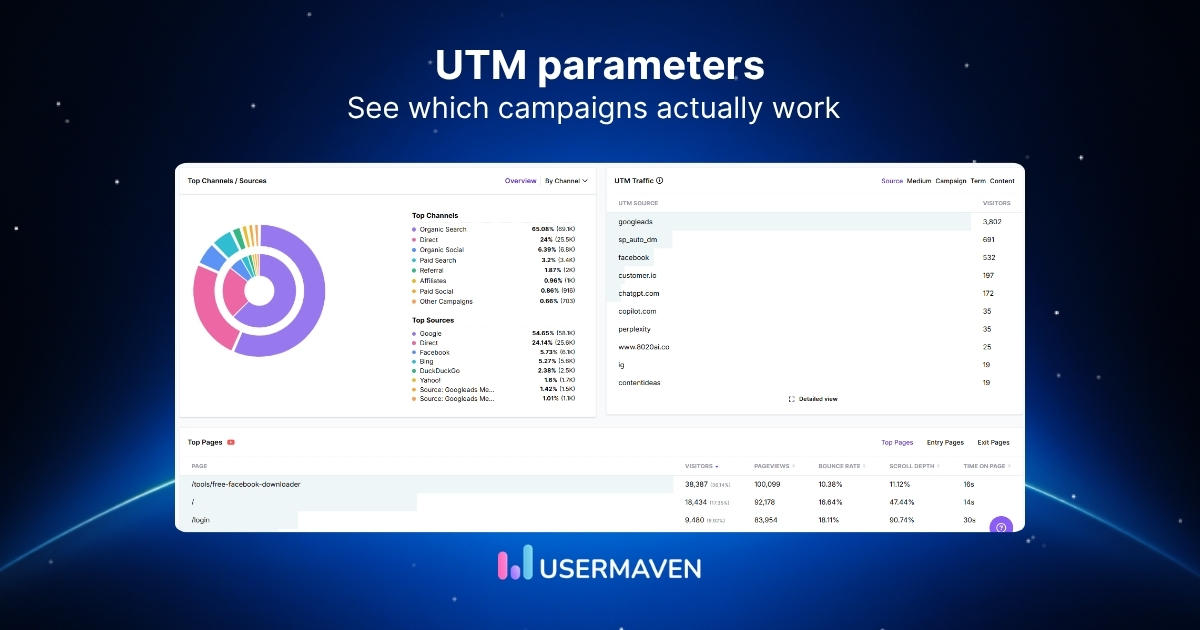
UTM parameters explained: Uses + best practices
You can drive plenty of traffic and still have no clear view of what actually worked. That is usually where campaign reporting starts to fall apart. UTM parameters give marketers a simple way to organize traffic across channels. Adding clear labels to your links helps you see where visits are coming from and which campaigns…
-
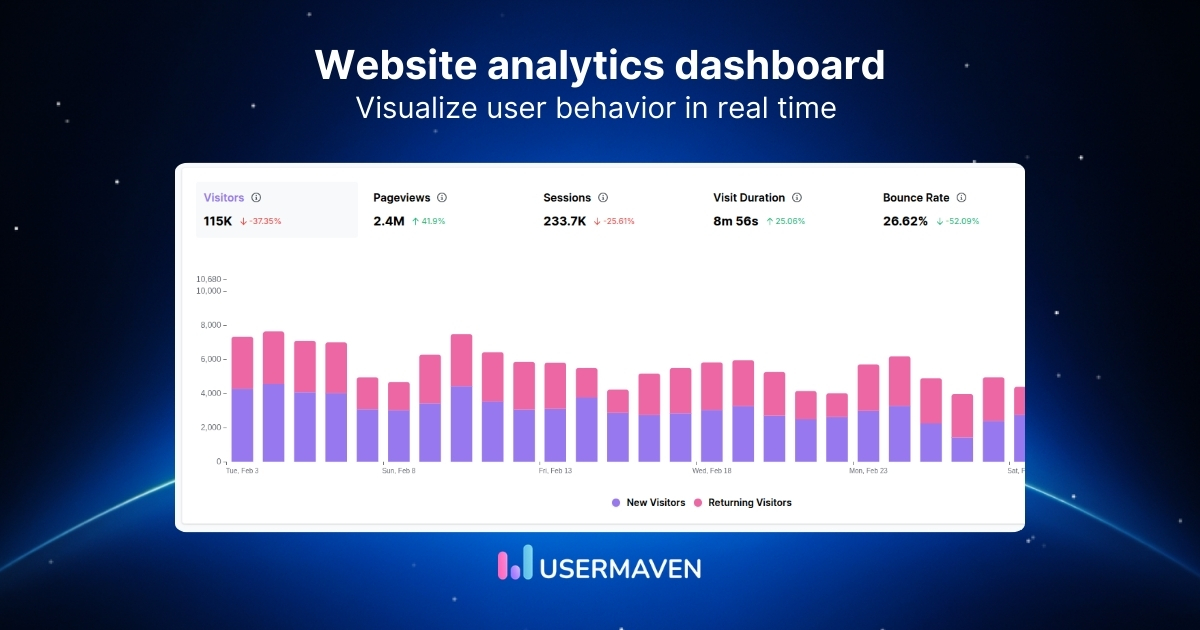
Web analytics dashboard: Metrics, types & examples
You’re not just building a dashboard for reporting. You’re building it so someone can open it for 30 seconds and know what to pay attention to. A solid web analytics dashboard answers three questions fast: what changed, where it came from, and what it did to conversions. Everything else is a drill-down. It should feel…
-
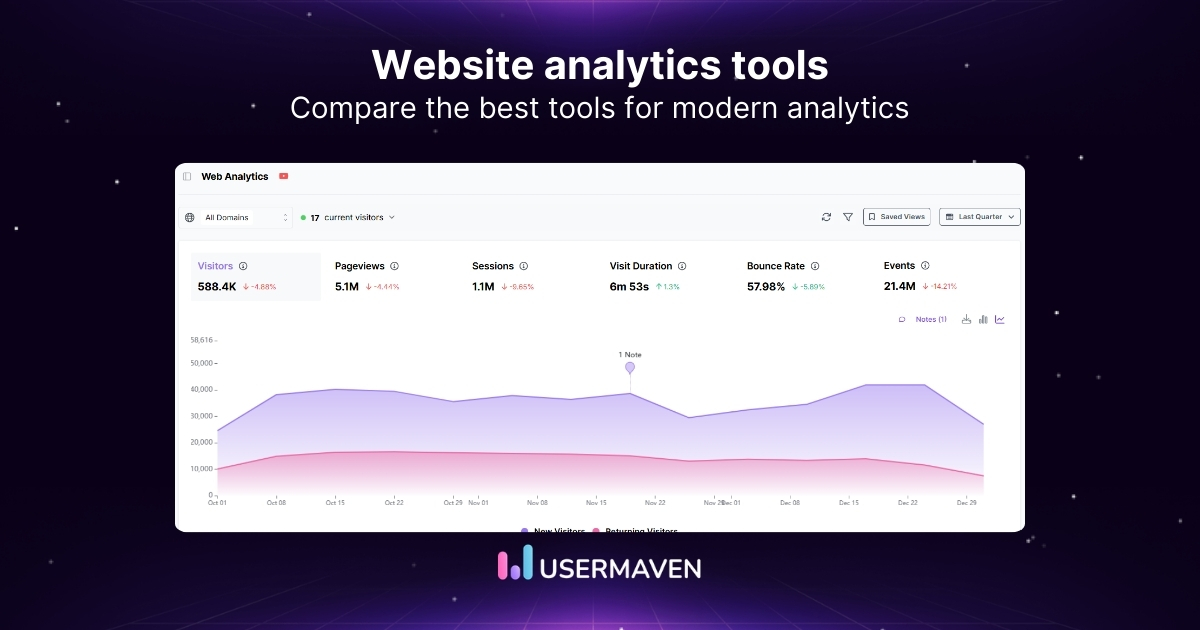
12 website analytics tools for traffic insights in 2026
Your website is constantly generating data. Every click, visit, and interaction tells a story about your users. But without the right tools, that data is just noise. Website analytics tools help turn that data into clear insights. They show you where visitors come from, how they move through your site, and what actions they take…
-
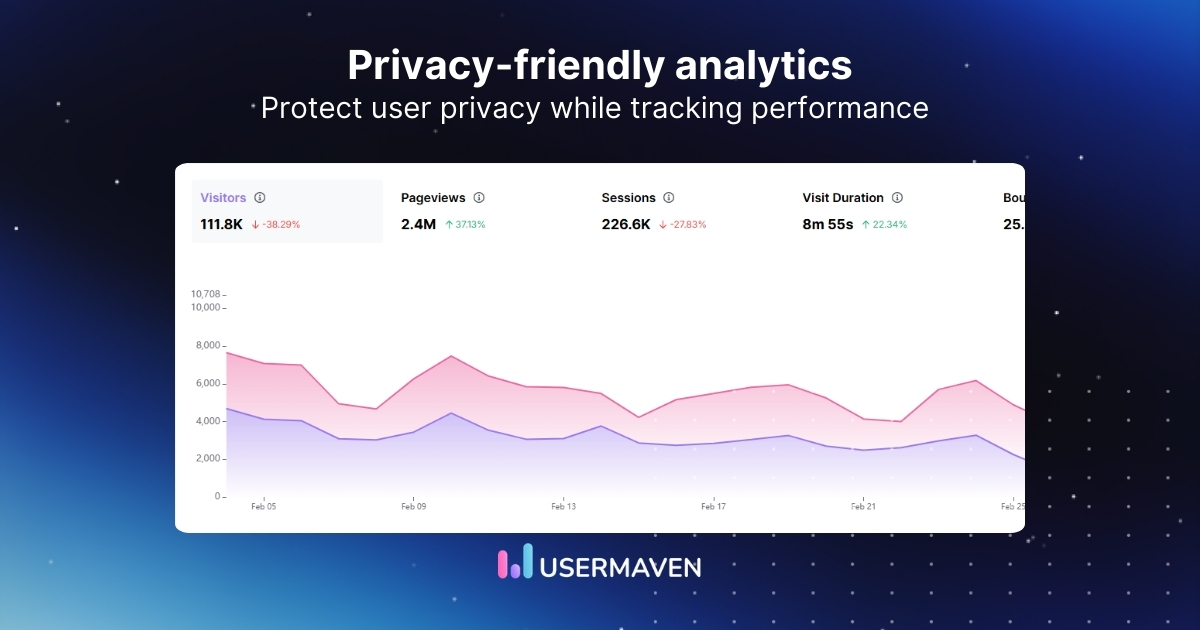
Privacy-friendly analytics: What it is & how to get started
Most teams want clear, reliable insights without crossing any lines. That means understanding performance while maintaining user trust. Modern analytics makes this possible. You can measure traffic, engagement, and conversions with an approach that prioritizes privacy from the start. This is what privacy-friendly analytics is about. It focuses on collecting only what you need, reducing…
-
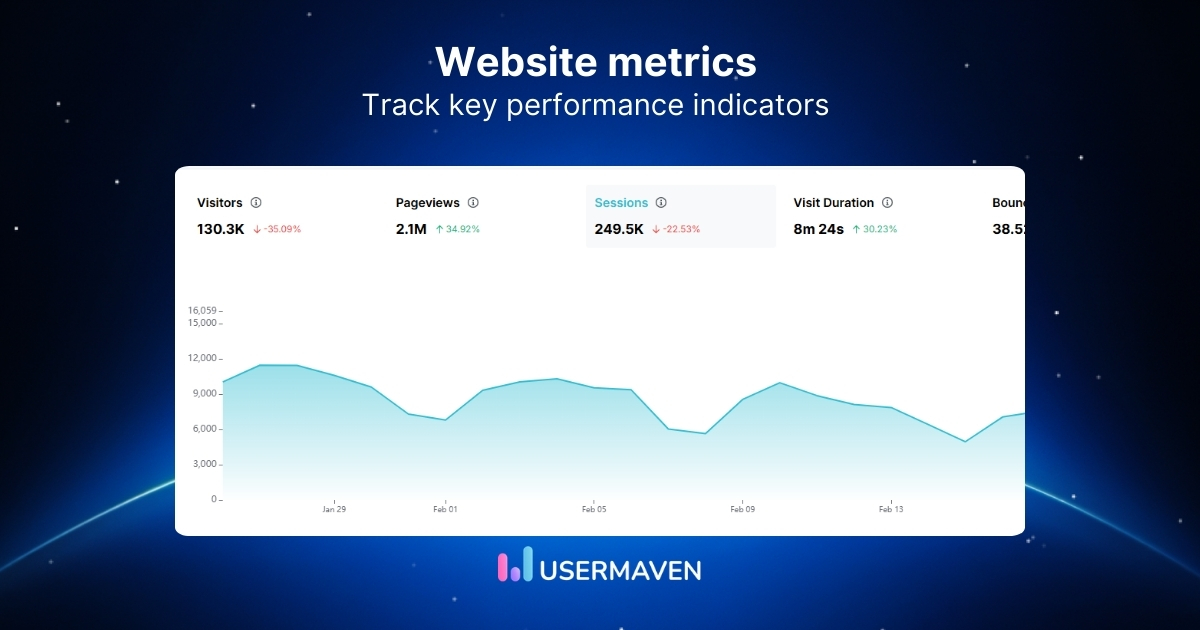
20+ important website metrics you should be tracking
Website metrics tell you what’s working. They also show you what isn’t. That matters because most conversion problems are invisible until you measure them. With the right website analytics in place, you can see the full story: where people come from, what they do on your site, and which pages move them forward or cause…